A practical guide to knitwear for autumn
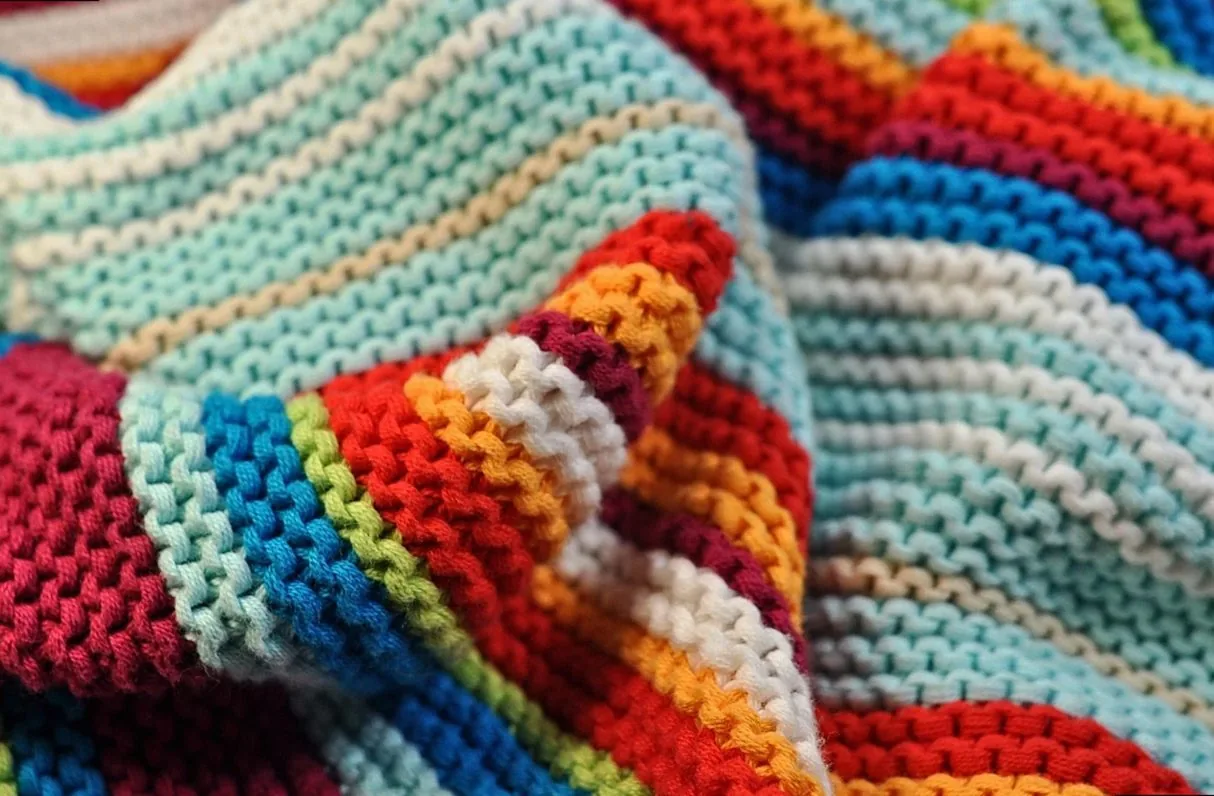
Knitwear is where autumn dressing gets interesting and also where it gets complicated. The range of fabrics, weights, and constructions is wide enough that two pieces both labelled 'wool knit' can behave completely differently in an outfit. This guide covers the main fabric types, what they're good for, and how to care for them so they last more than one season.
Fabric types and what they actually do
Merino wool is the most versatile knit fabric for autumn. It's fine enough to wear as a base layer under a coat, warm enough to wear as a mid-layer, and available in a wide enough range of weights to cover most temperature ranges. Fine-gauge merino in a fitted cut is the piece that solves the most layering problems.
Lambswool is heavier and has more texture than merino. It's better as an outer layer than a base layer, and it works well in chunky constructions. A ribbed lambswool knit has enough visual weight to anchor an outfit on its own. It's also more durable than merino and tends to hold its shape better over time.
Cashmere is warm for its weight, which makes it useful in situations where you want warmth without bulk. A fine cashmere knit under a structured coat adds a layer of warmth without changing the silhouette of the coat. The trade-off is that cashmere requires more careful washing and is more prone to pilling than merino or lambswool.
Caring for knitwear through the season
Most knitwear problems. Pilling, stretching, shrinking. Come from washing. Wool and cashmere should be hand-washed in cool water with a small amount of wool-specific detergent, then laid flat to dry. Never hang a wet knit. The weight of the water will stretch it out of shape.
Pilling is normal on any knit fabric and doesn't mean the piece is low quality. A fabric shaver removes pills without damaging the knit. Use it at the end of the season before storing, not during. Pilling mid-season is a sign the piece is being worn, which is what it's for.
Layering knitwear without bulk
The bulk problem in layered knitwear outfits usually comes from combining two pieces of similar weight. A chunky knit over a chunky knit creates volume without structure. The fix is to vary the weight: a fine-gauge knit as the base layer, a heavier knit as the mid-layer, or vice versa. The contrast in weight is what makes the layering read as intentional.
Good knitwear, cared for properly, lasts years rather than seasons. The investment in a well-made merino or lambswool piece pays off over time in a way that fast-fashion knitwear doesn't.